
Sustainable Nutrients for Thriving Gardens with Eco-Friendly Garden Nutrients
- LUIS VILLA

- Jul 10
- 3 min read
Gardening thrives on nutrients. Healthy plants need the right balance of elements to grow strong and vibrant. Using eco-friendly garden nutrients supports this growth while protecting the environment. These nutrients come from natural sources and reduce waste. They help gardeners build rich soil and promote sustainable practices. This guide explores how to nourish your garden sustainably and effectively.
Why Choose Eco-Friendly Garden Nutrients?
Eco-friendly garden nutrients come from renewable, natural materials. They avoid harsh chemicals and synthetic fertilizers. These nutrients improve soil health over time. They encourage beneficial microbes and earthworms. This creates a thriving ecosystem underground.
Using eco-friendly nutrients reduces pollution. It prevents harmful runoff into waterways. It also lowers your carbon footprint by recycling organic waste. For example, compost made from kitchen scraps returns valuable nutrients to the soil. This closes the loop between kitchen and garden.
Benefits of eco-friendly garden nutrients include:
Improved soil structure and fertility
Enhanced water retention
Reduced chemical exposure for plants and people
Support for local ecosystems and pollinators
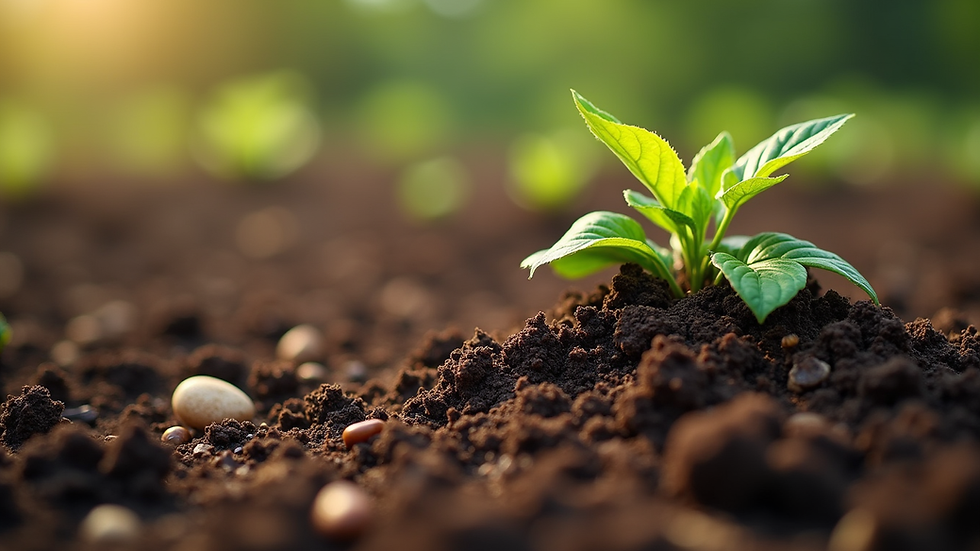
Compost enriches soil naturally and supports plant health.
Types of Eco-Friendly Garden Nutrients to Use
Several natural options provide essential nutrients without harming the environment. Each has unique benefits and uses.
Compost
Compost is decomposed organic matter. It contains nitrogen, phosphorus, potassium, and trace minerals. Compost improves soil texture and moisture retention. It also feeds beneficial microbes.
How to use:
Add a 2-3 inch layer to garden beds yearly
Mix into potting soil for container plants
Use as mulch around plants to conserve moisture
Worm Castings
Worm castings are nutrient-rich worm excrement. They contain enzymes and microbes that boost plant growth. Castings improve soil aeration and nutrient uptake.
How to use:
Mix 10-20% worm castings into potting soil
Top-dress garden beds with a thin layer
Brew worm tea for foliar feeding
Seaweed and Kelp
Seaweed extracts provide micronutrients and growth hormones. They stimulate root development and improve stress resistance.
How to use:
Apply diluted seaweed tea as a foliar spray
Mix powdered kelp into soil before planting
Bone Meal and Blood Meal
Bone meal supplies phosphorus and calcium. Blood meal is a rich nitrogen source. Both come from natural animal byproducts and break down slowly.
How to use:
Incorporate bone meal at planting time for root crops
Use blood meal sparingly to boost leafy growth
Green Manures and Cover Crops
Plants like clover, vetch, and rye add nitrogen to soil when tilled under. They prevent erosion and improve soil organic matter.
How to use:
Plant cover crops in fall or between growing seasons
Chop and incorporate into soil before planting

Cover crops enrich soil and protect garden beds naturally.
How to Make Your Own Sustainable Garden Nutrients
Home gardeners can create their own nutrient sources easily. This reduces waste and saves money.
Kitchen Scraps Composting
Collect vegetable peels, coffee grounds, eggshells, and fruit scraps. Avoid meat, dairy, and oily foods. Turn the pile regularly to speed decomposition.
DIY Worm Bin
Set up a worm bin with red wigglers. Feed them kitchen scraps. Harvest worm castings every few months for a nutrient boost.
Homemade Seaweed Fertilizer
If you live near the coast, gather seaweed. Rinse to remove salt. Soak in water for 2 weeks. Strain and dilute before use.
Compost Tea
Steep finished compost in water for 24-48 hours. Use the liquid to water plants or spray leaves. This delivers nutrients and beneficial microbes directly.
Tips for Applying Eco-Friendly Garden Nutrients
Proper application maximizes benefits and prevents waste.
Test your soil to identify nutrient needs
Apply nutrients in small, frequent doses rather than large amounts
Use mulch to retain moisture and nutrients
Rotate crops to balance nutrient use
Avoid over-fertilizing to protect plants and environment
Supporting Your Garden’s Long-Term Health
Sustainable gardening is about more than nutrients. It involves building a healthy ecosystem. Use organic matter regularly. Encourage beneficial insects and pollinators. Practice water conservation. These steps create a resilient garden that thrives year after year.
By choosing **sustainable garden nutrients**, gardeners support a greener future. They grow healthier plants while reducing waste and chemical use. This approach benefits the soil, the plants, and the planet.
Growing a Greener Future
Sustainable nutrients are the foundation of thriving gardens. They nourish plants naturally and protect the environment. By embracing eco-friendly garden nutrients, gardeners create vibrant, productive spaces. They turn kitchen waste into garden gold. They build soil health and support biodiversity.
Start small. Compost your scraps. Try worm castings. Plant cover crops. Each step moves your garden toward sustainability. Your plants will thank you with lush growth and abundant harvests. The earth will thank you with cleaner air and water.
Gardening with care is gardening for the future. Choose sustainable nutrients. Grow a garden that thrives today and tomorrow.


Comments